
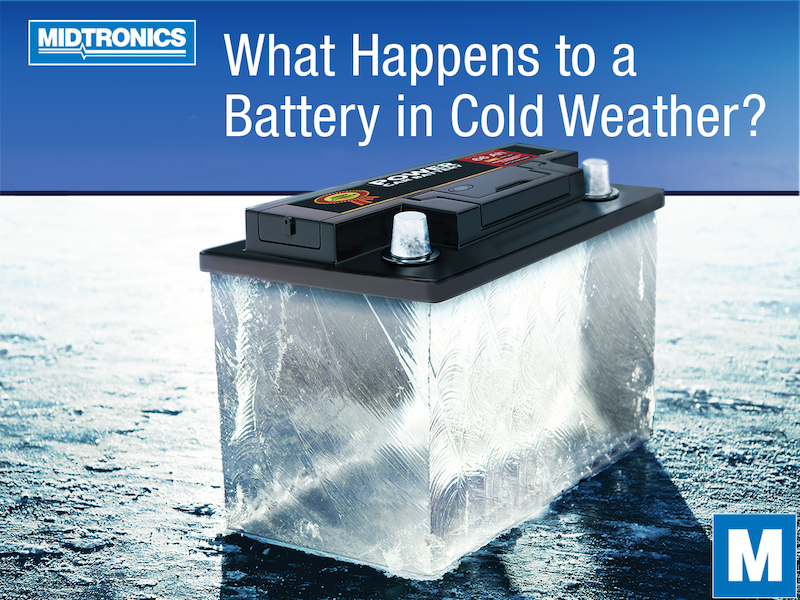
Car batteries are essential in any vehicle, providing the power needed to start the engine and run the electrical systems. Even in electric cars, a 12-volt battery is crucial to initiating its functions and operating body systems. However, extreme cold temperatures can have a significant impact on battery performance and capacity. In this blog post, we will explore the science behind how cold temperatures affect car batteries and provide tips on how to maintain and prolong the life of your battery during the winter months.
Key Takeaways
- Cold weather increases a battery’s internal resistance, reducing the current it can deliver to the starter — this is why batteries fail more often in winter.
- A battery that’s marginal in summer will often fail on the first truly cold morning of winter, which is why fall testing is one of the highest-value service windows.
- A discharged battery can freeze in moderate cold — ice formation cracks the internal structure and destroys the battery permanently.
- Cold weather doesn’t kill batteries on its own; heat during summer does most of the damage, and cold winter conditions reveal the weakness.
- Slow engine cranking in cold weather is an early warning sign that the battery should be tested before it fails completely.
- Testing before winter — not after a no-start — is the most effective way to prevent cold-weather battery failures for service customers.
The chemistry in batteries when it gets cold
First, it’s important to understand the chemical reactions that occur within a car battery. A car battery that’s made up of lead-acid cells uses a chemical reaction to convert energy stored in the form of lead and sulfuric acid into electrical energy. However, this chemical reaction is temperature-sensitive, and cold temperatures can slow down or even stop the reaction from occurring at all. It’s a natural occurrence as lower temperatures reduce kinetic activity.
Slower reactions
When the temperature drops, the electrolyte mixture becomes more viscous, making it more difficult for the chemical reaction to occur. It’s similar to how engine oil gets thicker as the temperature gets colder, and it flows less freely. As you can imagine, ions moving through the electrolyte move slower so, while there is still the same potential energy inside, it discharges at a slower rate.
Frozen electrolyte
As well, the cold temperatures can cause the water in the electrolyte to freeze, which can damage the battery or even cause it to fail. That’s when you see the sides of the case bulging and, in some circumstances, it can crack and leak the electrolyte out, leaving a bunch of corrosion in its wake.
The freezing point of a typical car battery electrolyte is about -40 F, so it is important to ensure that your battery is not exposed to temperatures below this point. If the temperature drops below freezing, the electrolyte in the battery will freeze and expand, which can cause the battery to crack or rupture.
If the battery isn’t fully charged, there’s a risk of freezing at milder temperatures. For example, a battery that is approximately 80% charged could freeze at -20 F. And if a battery is completely discharged when the temperature drops, the water in the electrolyte can potentially freeze at around 30 F.
Reduced capacity
The cold temperature also affects the capacity of the battery. The performance of a car battery is measured in both cranking amps (CA), which is the battery output rating at 32 F, and cold cranking amps (CCA), which is the amount of power the battery can deliver at 0 F for 30 seconds while maintaining a minimum voltage of 7.2V. As the temperature drops, the cranking amperage of the battery decreases, meaning it will have less power to start the engine.
Generally, that’s not a problem with a healthy car battery. The CCA rating accounts for the actual amperage requirements to start the engine, plus a very healthy buffer too. But if your battery is a few years old and has started to sulfate or the lead plates have begun shedding, it’s actual cold cranking amperage could be significantly diminished. If the temperature drops well below freezing, it might not have the stored energy to turn the engine over fast enough to start.
How to prolong a battery’s life in the cold
If you’re among the millions that live in American states and Canadian provinces that get months of deep cold temperatures, it might seem inevitable that you’ll have battery issues at some point. There are steps you can take to promote a healthy battery and keep it working for as long as possible. To maintain and prolong the life of your car battery in cold weather, consider these steps:
- Keep your battery clean and dry. Cold temperatures can cause condensation to form inside the battery, which can lead to corrosion. It dilutes the electrolyte and, in rare instances, it can cause the battery to short circuit too.
- Make sure your battery is properly charged. A fully charged battery is less likely to freeze than one that is low on power. Avoid taking short driving trips, and reduce the electrical consumption in your car while you drive.
- Keep your battery warm. If possible, park your car in a warm garage or install a battery blanket. Some battery blankets can be plugged in, like an engine block heater, to keep the electrolyte warmer and the kinetic energy moving.
- Avoid rapid charging or discharging. Cold temperatures can cause the chemical reactions within the battery to occur at a slower rate, so it’s important to avoid subjecting the battery to extreme conditions. Being a good Samaritan and helping a friend or co-worker jump-start a car is noble, but it can take its toll on your own battery if you do it frequently.
- Choose the right battery for your climate. Some batteries are designed to perform better in cold temperatures than others. Opt for a higher CCA rating where possible to ensure it will still start your car, even after it’s aged a few years.
One of the best practices is to test car batteries before the winter weather arrives. If the testing decision shows that the battery is marginal or it fails the test, it’s best to replace it before you encounter problems. A breakdown due to a failed battery or the inability to start your car in extreme temperatures can leave you exposed to serious health consequences, and it’s easily avoidable by ensuring the battery is in good shape.
Frequently Asked Questions
Why do car batteries fail in cold weather?
Cold temperatures slow the electrochemical reactions in the battery, increasing internal resistance and reducing the current available for starting. At the same time, engine oil thickens in cold weather, requiring more cranking power to turn the engine over. A battery that’s marginal in warm weather often can’t meet both demands and fails on a cold morning.
Does cold weather damage car batteries?
Cold weather reveals damage more than it causes it. Heat during summer is the primary driver of battery degradation — it accelerates water loss, plate corrosion, and internal resistance buildup. By fall, the damage is done. Cold temperatures expose the weakened battery by demanding more from it. Shops that test batteries in the fall catch summer-damaged batteries before winter failure.
At what temperature does a car battery freeze?
A fully charged battery freezes at around -92°F — practically never under normal conditions. A discharged battery freezes at around 20°F (-7°C), which is common in many climates. This is why maintaining a battery’s charge during storage and cold weather is critical — a discharged battery is genuinely at risk of freezing and being destroyed.
How much does cold weather reduce battery capacity?
At 32°F (0°C), a typical lead-acid battery delivers about 80% of its rated capacity. At 0°F (-18°C), that drops to around 50%. This means a battery with 70% of its design capacity — already in ‘marginal’ range — may only deliver 35–40% of original capacity on a very cold morning. That’s why marginal batteries fail in winter.
What are the warning signs of a cold-weather battery failure?
Slow engine cranking — the starter sounds labored — is the most reliable warning. Dimming headlights during cranking, a clicking sound without engine turnover, and intermittent electrical issues in cold conditions are also indicators. Any of these warrants a conductance test before the battery fails completely.
How should shops prepare customers for winter battery issues?
Fall is the ideal time to run a battery service campaign — proactively testing every vehicle that comes in during September through November. A marginal battery found in October is a sale and a prevented no-start. A DSS-5000 test takes under two minutes and gives you the data to have that conversation with confidence.